
I Have an Idea for a Nonfiction Book—Now What?

Quick Overview: Many professionals have a nonfiction book idea but don’t know where to start. This blog explains simple steps to move from idea to action. It focuses on finding your core message, understanding your audience, and organizing thoughts. It also shows how custom book writing services and a nonfiction book ghostwriter can help turn ideas into a structured, publishable book.
Have you ever thought, “I should write a book about this”?
Maybe you have years of professional experience, a unique perspective, or lessons that could help others. The idea feels exciting at first. Then reality sets in. Where do I start? How to organize my thoughts? How to turn my idea into an actual book?
These are the same questions many professionals ask when they begin working with a nonfiction book ghostwriter. Having an idea is a great first step. The challenge is knowing what comes next.
The good news is that you do not need to have everything figured out before you begin.
Start With the Core Message
Many first-time authors think they need a complete outline before they can start writing.
In reality, what matters most is your main message. Ask yourself a simple question: What do I want readers to learn, understand, or do after reading my book?
Your answer becomes the foundation of everything that follows. It helps you decide which stories to include, which ideas matter most, and how the book should be structured.
A clear message gives your book direction from the very beginning.
Do Not Worry About Having Every Chapter Planned
One reason people delay writing is because they feel unprepared. They think they need the perfect title, chapter list, and publishing plan before writing a single word. That is rarely how books come together.
Most nonfiction books evolve during the process. New ideas appear. Better examples come to mind. Sections shift as the manuscript develops.
The goal at the beginning is not perfection. The goal is clarity about the message you want to share.
Think About Who You Are Writing For
A strong nonfiction book always has a clear audience.
Are you writing for business leaders? Entrepreneurs? Healthcare professionals? Parents? Students? Understanding your audience helps shape the tone, examples, and content throughout the book.
When you know who you are speaking to, it becomes much easier to decide what information belongs in the manuscript and what can be left out.
Turn Experience Into Valuable Content
Many professionals underestimate the value of what they already know. The lessons you have learned throughout your career may feel ordinary because you live with them every day. To readers, those insights can be incredibly valuable.
The most engaging nonfiction books often combine practical advice with real experiences. Stories help readers connect with ideas on a deeper level.
I have seen many authors realize that their everyday experiences contain the very lessons readers are looking for.
Create a Simple Structure
Once you know your message and audience, begin organizing your ideas. You do not need a complicated outline. Start with a list of major topics you want to cover. Then think about what readers need to understand first and what should come later.
This simple framework helps transform a collection of ideas into a book that feels organized and easy to follow.
Readers appreciate clarity. A clear structure helps them stay engaged from beginning to end.
Remember That Writing a Book Takes Time
Many professionals have the knowledge to write a book but struggle to find the time. Work responsibilities, family commitments, and daily demands often make it difficult to stay consistent.
That is one reason some authors choose to work with a nonfiction book ghostwriter. Having support can make the process feel more manageable while allowing you to stay focused on your expertise.
The goal is not to replace your ideas. The goal is to help shape them into a finished manuscript.
You Do Not Have to Figure It Out Alone
Writing a nonfiction book is a creative process, but it is also a structured one.
Many aspiring authors seek guidance through custom book writing services because they want help organizing ideas, creating a clear plan, and moving forward with confidence.
Support can make the process feel less overwhelming and more achievable.
How Can Sherry Help You
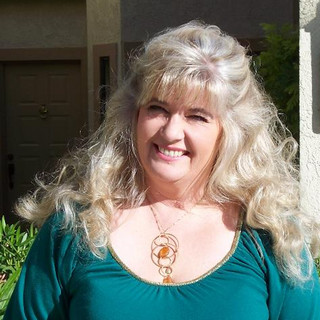
A lot of people come to me with a book idea, but no clear next step. Hi! I’m Sherry, and my role is simply to help you sort through those thoughts. We talk, I listen, and I start shaping your ideas into something that feels like a real book in progress.
It’s a calm, step-by-step process where your voice stays at the center. Nothing complicated, just your experiences turned into a story people can follow.
It's Time to Put Your Idea Into Motion
Every nonfiction book starts the same way. It begins with an idea.
But an idea alone is not enough to create a book. What matters most is taking action, even in small steps. You do not need a perfect outline or every detail figured out before you start. You just need a clear message and the willingness to begin.
If your idea has been sitting with you for a while, this may be the right time to move forward.
Visit https://www.sherrywritesforyou.com and let’s start shaping your book together.
FAQs
1. Do I need a full outline before writing a nonfiction book?
No. A clear message is enough to begin. Your structure can develop gradually as your ideas take shape during the writing process.
2. How do custom book writing services help new authors?
Custom book writing services help organize ideas, shape structure, and turn thoughts into a readable manuscript while keeping your voice and message clear.
3. Can I write a nonfiction book without writing experience?
Yes. Many authors start with ideas, not writing skills. With the right support, your knowledge can be shaped into a complete book.
4. How long does it take to turn an idea into a book?
It depends on content depth and clarity. Most nonfiction books take months of planning, writing, and revision before final completion.
5. Will my voice be preserved if someone helps write my book?
Yes. A good writing process ensures your ideas, tone, and message remain authentic while improving clarity and structure for readers.


Comments